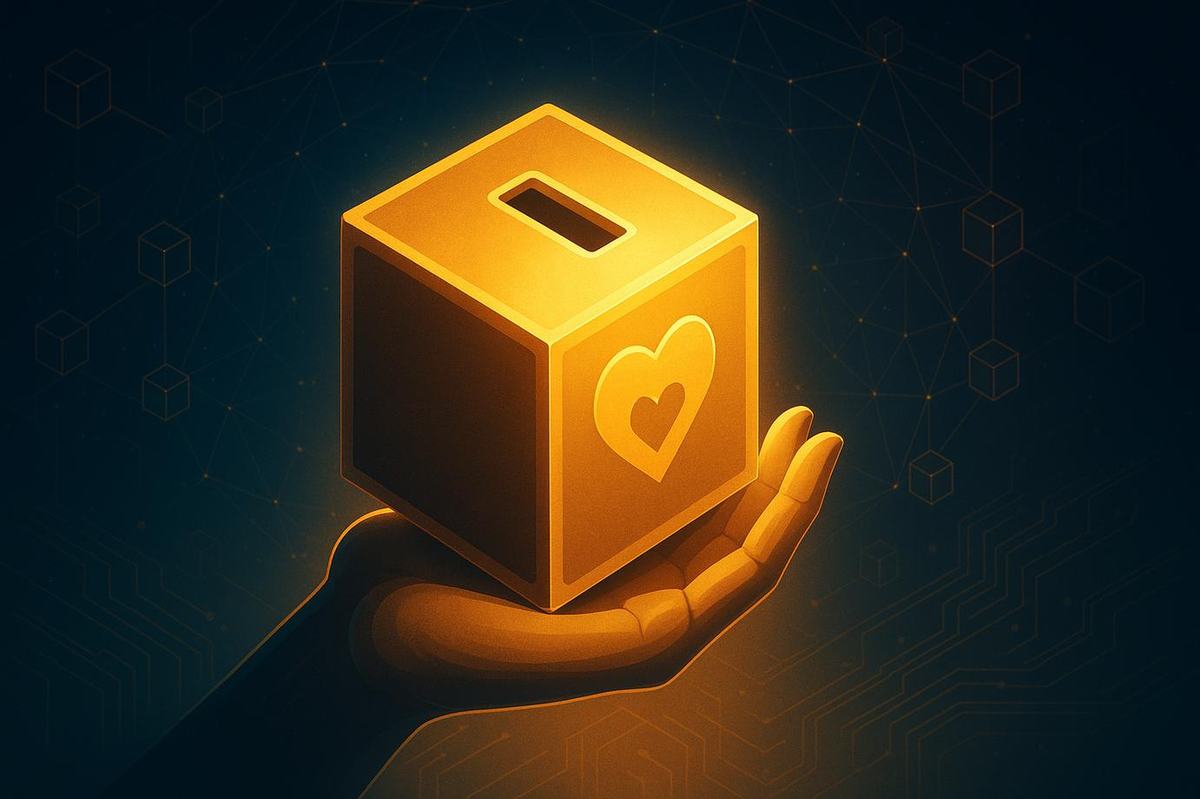

In an era where technological transformations are accelerating and economic challenges are intensifying, nonprofit organizations find themselves in a new landscape that redefines funding methods and relationships with donors. As public trust declines and competition for resources increases, a clear trend emerges towards reshaping the concepts of giving, led by a combination of human values and modern technology.
The future is not just for fundraisers, but for those who redefine the meaning of giving.
Discover how cryptocurrencies, integrated data, and value-based financing are reshaping the nonprofit landscape, and how your organization can be part of this impending transformation. This article, selected by the team at The Third Bank from the foreign site Donorbox.org, presents five major trends that redraw the future of fundraising and open up new pathways for impact and innovation for leaders in the nonprofit sector.
1. The Rise of Value-Based Financing
Donating is no longer just an act of kindness but has become an expression of identity and the personal mission of the donor. Today’s funders are looking for organizations that reflect their core values, not campaigns that evoke momentary sympathy.
Studies from the Sustainable Giving Institute indicate that donors whose contributions align with their internal beliefs become more committed and sustainable.
The organizations that set themselves apart are those that transform the relationship with the donor from an emotive connection to a partnership based on shared values. This requires:
- Organizing interactive experiences that embody the message.
- Telling real stories that highlight the impact of values in reality.
- Using language that balances between “you” and “us” in communication.
- Creating community spaces that deepen the connections between donors and the organization.
Fundamental Question: Do your organization’s messages speak the language of the values lived by its supporters?
2. Integrated Data Revolutionizes Donor Relationships
Organizations today face a critical challenge: how to turn data into insights, and insights into engagement?
Integrating marketing data with fundraising data provides institutions with a comprehensive view of donor behavior, enabling them to tailor messages and digital journeys for each supporter.
Through Customer Relationship Management (CRM) systems, organizations can:
- Accurately understand donor preferences and behaviors.
- Predict future giving patterns.
- Build more personalized and humane communication.
The smart integration of technology with human intuition is what makes the difference. Digital tools alone do not build trust, but they contribute to reinforcing it when managed with conscious human insight.
Fundamental Question: Are we using our data to build a mutually human relationship or just to achieve short-term financial goals?
3. Increasing Challenges in Grant Funding and Impact Reporting
With growing government scrutiny and institutional interest in transparency, obtaining grants has become more complicated than ever.
It is no longer sufficient to speak about “impact” in general terms; precise language is required that links data to real social outcomes.
The organizations that can sustain themselves are those that:
- Simplify communication with donors through interactive and visual reports.
- Diversify funding sources to reduce reliance on large grants.
- Educate their community on the transformative value of the nonprofit sector and its role in development.
Fundamental Question: Do donors see tangible impact in your reports or just numbers?
4. Mid-Level Donors: An Untapped Power
Between small donors and major gift givers, there is a pivotal segment that many organizations overlook: mid-level donors.
These individuals are often the most loyal and the most likely to become long-term strategic supporters.
Investing in this group means:
- Regularly recognizing their value at every opportunity.
- Providing personalized communication channels and special volunteer opportunities.
- Offering donation development options such as donor-advised funds or planned gifts.
Fundamental Question: Do we treat mid-level donors as a strategic pillar or just a temporary bridge to major donors?
5. Rethinking Events as Community Gatherings
Charity events are no longer just a means of raising funds, but have become a space for building belonging and human interaction.
Donors do not want to attend galas or auctions; they seek an experience that inspires them and connects them to the message.
Events can be transformed into impactful experiences by:
- Making the message the focus of every detail in the event.
- Engaging attendees in interactive activities that make them feel the impact.
- Providing spaces for discussion and human connection.
- Sending follow-ups after the event that highlight the impact of participation in numbers and emotions.
Fundamental Question: Are your events building a community of believers in the cause, or just a list of donors?
In Conclusion
In a world where technology accelerates and community needs become more complex, the success of nonprofit organizations is no longer tied to their ability to raise funds, but to their ability to redefine the very meaning of giving. The future belongs not only to those who adopt trends but to those who shape them with critical thinking, partnerships built on values, and smart investments in people before technology.
Source: donorbox.org on November 22, 2024 by Team Donorbox

Comments (3)
No comments yet. Be the first to comment!