
This article is published by Training Magazine, the prestigious global magazine specializing in training and workforce development for over 55 years, which serves as a leading reference for practitioners in the fields of training, human resources, and management. The magazine is published by Lakewood Media Group in Minneapolis, USA, and comes in both print and digital formats, in addition to its weekly newsletters and major events such as the Training Conference & Expo and the TechLearn Conference, solidifying its position as one of the most important global sources that combine professional depth with academic rigor in the training and development industry.
The article gains additional value as it is written by Ann Fillman, the Executive Director of Marketing at Bloomerang, and an expert in marketing and knowledge management in the nonprofit sector with over 24 years of experience in the field.
At The Third Bank, we always strive to provide rich, high-quality content that opens new horizons for workers in the nonprofit sector in the Kingdom, offering them the distilled essence of global experiences with the highest degrees of reliability and quality.
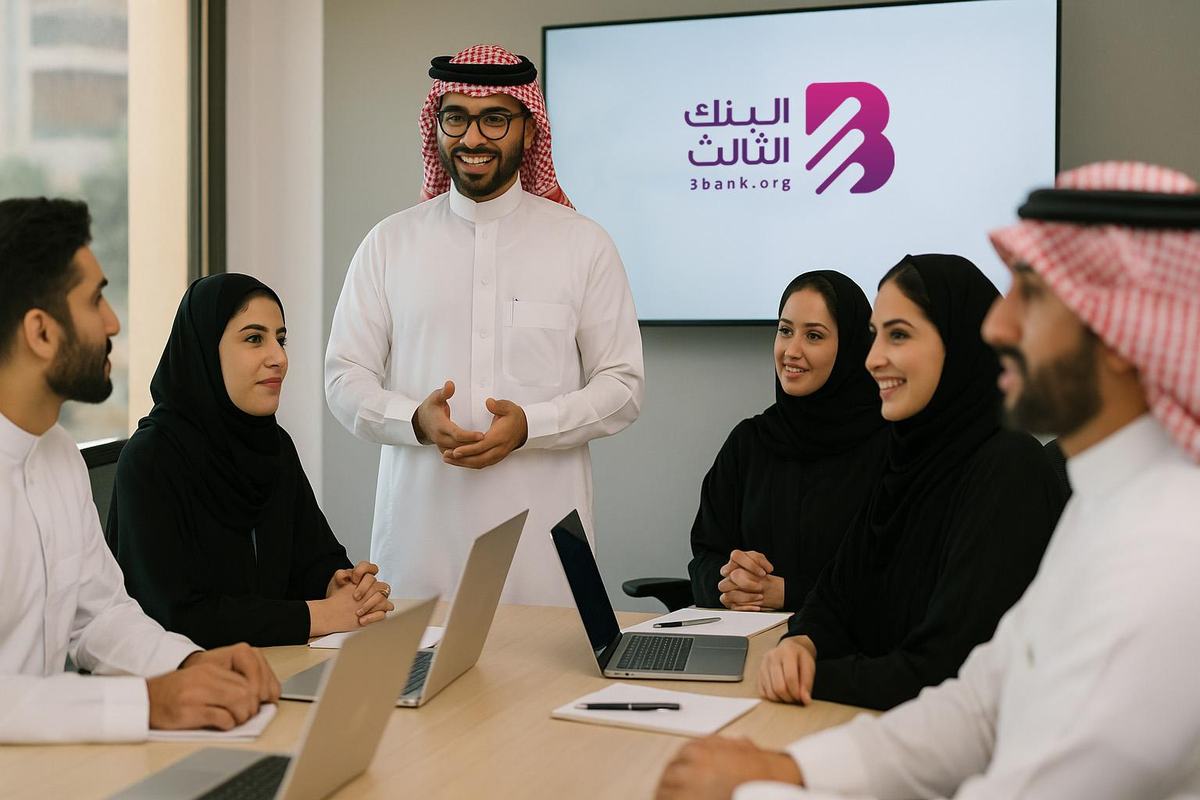
Training new employees to become effective team members can be fraught with challenges. Explore and implement these strategies to enhance team training in nonprofit organizations this year.
While you may not imagine your professional life without the leaders of your nonprofit organization guiding you, even the most prominent change-makers in your organization were once new employees. What made them the successful leaders they are today?
While their years of experience certainly help, proper training can give new employees a significant boost and set them on the path to success. Training new team members is not just about making them productive but also effective in their roles, which can lead to better outcomes for individuals and the nonprofit organization as a whole. Explore these tips to elevate your training program and turn new employees into potential leaders.
Customize training to the needs of each team member.
Not everyone learns in the same way or needs the same training. While you must find a balance between general training and a different training program for each team member, here are some strategies you can implement to customize the training process:
- Issuing self-assessments: No one knows your capabilities better than yourself. By issuing self-assessments for new employees, you can gain a better understanding of their prior knowledge and learning styles. This way, you can analyze the content you will need to include in training and how to adapt your training materials in various formats to serve diverse learning styles, such as visual, auditory, kinesthetic, and interactive.
- Considering prior experiences: While individuals know their strengths best, your team knows its work better. Review the job history of each new employee to identify skills that intersect with their new roles. Then ensure your training program covers any skill gaps.
- Developing specialized training for different roles: While you may offer general training on organization-wide processes, some other roles will require specialized training. Divide new employees into separate groups by department, such as fundraising, programs, and volunteer management, so they can learn more about their specific roles in depth.
During this process, communicate with new employees to ensure that the training meets their needs. For example, you may discover that one new employee has previously used the same project management system in their former organization, allowing them to skip this part of the training and speed up the process.
Create an interactive training experience.
Making training more interactive creates a more memorable experience, helping new employees retain the training materials. Additionally, hands-on training is more engaging, giving new employees a positive first impression of your nonprofit organization.
You can make your training program more interactive by:
- Implementing role-playing exercises: Simulating real-world scenarios can help new employees apply what they've learned in a low-risk environment. For example, if you want new employees to train on donor care techniques, you can create fictional donor personas and set up phone calls with them, allowing new employees to learn what makes a thank-you call effective through hands-on experience.
- Putting team members in the shoes of donors: Conversely, introducing new employees to the donor's perspective can help them approach their roles with a deeper understanding of the people they serve. For example, you might ask new employees to browse your donation page to fully understand what donors go through, allowing them to better assist with any issues during the donation process.
- Hosting peer learning sessions: You may have heard of peer-to-peer campaigns, but what about peer-to-peer learning? Bring new employees together to reflect on what they have learned and provide any insights that could help their colleagues succeed.
Interactive training elements also help to break down barriers between new employees and build a sense of camaraderie. A study conducted by Gallup revealed that having a close friend at work increases the likelihood that employees will recommend their workplace, stay in their current organization, and be satisfied with their work environment. Therefore, encourage them to get to know each other throughout the training process.
Ensure team members are able to use relevant tools effectively.
By the end of the training process, new employees should be familiar with the tools they will need to use regularly and how to use them effectively. Build a strong understanding of your core tools and resources by:
- Hosting technical workshops: Conduct sessions that demonstrate how to use the tools in your technology stack, such as AI platforms, donor management systems (CRM), fundraising tools, and marketing software.
- Highlighting unique features: While you should introduce new employees to the basics of each platform, don't forget to highlight special features that can add more value or save time. For example, a nonprofit CRM management guide by Bloomerang illustrates that the best platforms have features like "donor timelines" that allow you to delve deeper into each donor’s interaction history with your organization.
- Reviewing cybersecurity best practices: Keeping donor data secure should be a top priority. Help new employees commit to cybersecurity by educating them on how to create strong passwords, use multi-factor authentication, and enable data encryption.
At the end of the training process, consider testing new employees' knowledge by assigning them tasks within your various systems and assessing their performance. For example, you might ask them to add a new record to the CRM system or automate an email campaign.
Develop leadership skills.
Fostering a culture of positive leadership begins with instilling leadership skills from the outset. Help new employees build their leadership capabilities and envision their future in your organization by:
- Creating a mentorship program: Connecting new employees with mentors can help them learn from the organization's leaders, smoothly integrate into their roles, and hone their skills. A mentorship program for new employees at Bell and Howell showed that “mentees demonstrated greater confidence and faster skill acquisition, which reduced their onboarding time by 20 percent. Furthermore, 85 percent of new employees reported higher satisfaction with the mentoring experience compared to previous onboarding processes.”
- Offering leadership training sessions: In addition to one-on-one mentoring, nonprofit leaders can provide advice on broader topics such as strategic planning, decision-making, and conflict resolution within the workplace. Allow new employees to ask questions to maximize their benefit from these sessions.
- Making promotion requirements transparent: Inform new employees from the outset of the tasks they need to accomplish to move to the next level. This way, they can focus on developing the necessary skills and preparing themselves for advancement.
Also consider offering other opportunities to build leadership skills throughout employees' tenure in your organization, such as a book club centered around leadership topics, or monthly webinars hosted by various leaders from the organization.
Encourage a culture of learning.
Employees should not stop learning and growing throughout their tenure in your nonprofit organization. Instill a culture of continuous improvement and innovation by implementing the following strategies:
- Discussing industry-relevant news: Keep employees informed about news and trends affecting their work and the industry as a whole. For example, you might assign a different team member each week to gather and present the top three relevant news stories to the rest of the team.
- Supporting external learning opportunities: Encourage employees to take advantage of other learning opportunities. Provide them with allowances or free access to online courses, conferences, or certification programs that can help team members expand their knowledge.
- Recognizing employees who prioritize learning: Show your organization's commitment to learning by publicly recognizing employees who complete various training programs or attend conferences. You could also reward this pursuit of knowledge with salary increases or bonuses.
Learning opportunities are also a powerful tool for employee retention. Ninety-four percent of employees stated that they would stay at a company if it invested in helping them learn. Therefore, developing this type of workplace culture can help you attract and retain top talent.
While these tips will help you deliver a richer and more meaningful training experience, every new employee and every organization is different. Therefore, gather feedback from new employees and team members throughout the process to determine what works well and what needs to change to improve your program.
The five strategies presented in this article are not just tools for improving the training of new employees but also a direct investment in the human capital that forms the backbone of any nonprofit organization's success. In the Saudi context, where the nonprofit sector is experiencing unprecedented growth under Saudi Vision 2030, adopting these practices enhances the ability of associations and institutions to attract talent, develop their skills, and transform them into influential leaders contributing to sustainable community impact.
At The Third Bank, we see that building an advanced training culture within Saudi associations is not a complementary option but a strategic necessity that ensures continuity of giving and quality impact, paving the way for the nonprofit sector to be an active partner in shaping the future.

Comments (4)
No comments yet. Be the first to comment!