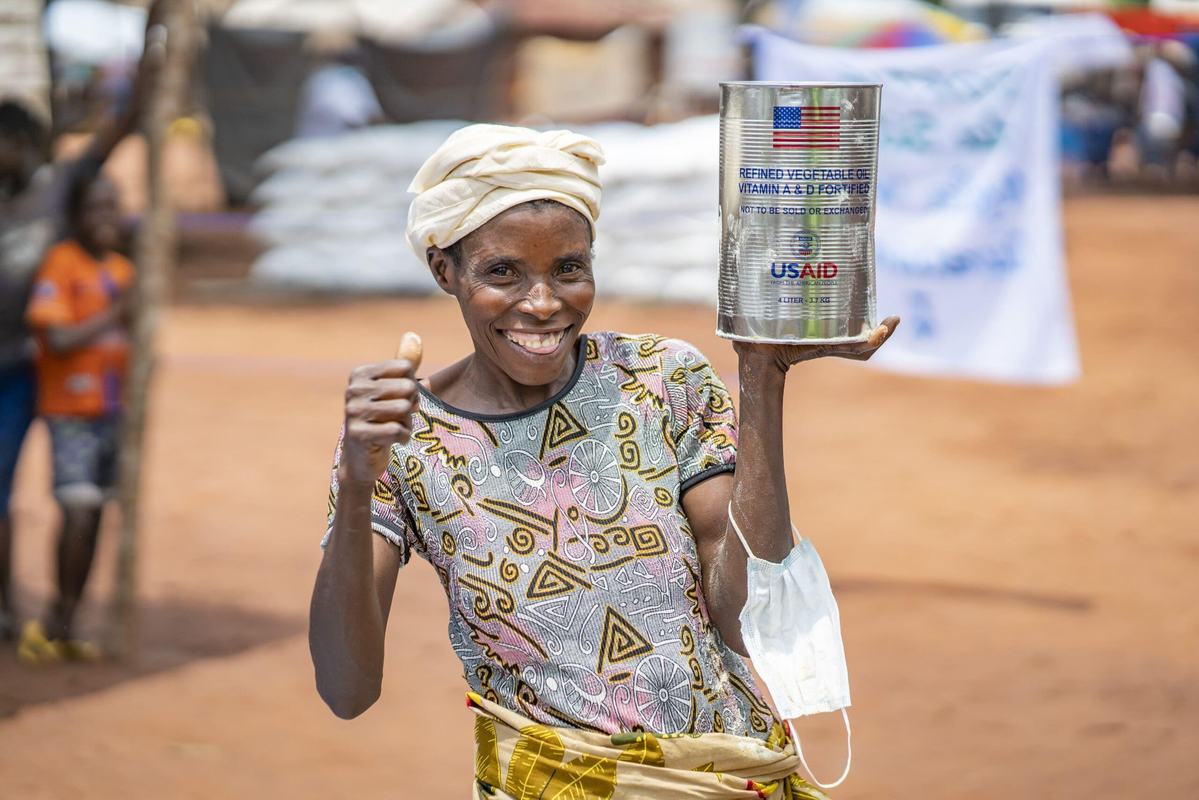

Philanthropy has long been associated in people's minds with a number of entrenched concepts that shape their understanding of giving and donating. However, recent research conducted by a team from the Lilly Family School of Philanthropy at Indiana University, including the works of Patrick Rooney, Debra Mesch, Una Osili, and Pamela Webking, suggests that many of these concepts may be inaccurate or based on outdated assumptions that no longer reflect the current reality (Rooney et al., 2019; Mesch et al., 2006).
According to analyses by CAFAmerica and Gallup, perceptions of giving in some countries, especially English-speaking ones like the United States and the United Kingdom, may be influenced by measurement methods and surveys more than they reflect a unique reality in the generosity of these countries (CAFAmerica & Gallup, 2019). Additionally, Bradford Smith and Sylvia Shui in their book Philanthropy in Communities of Color illustrate that methods of giving vary radically among communities, making it essential to reassess traditional approaches to understanding giving on a global scale (Smith et al., 1999).
Moreover, Jane Twenge and Keith Campbell in their book The Narcissism Epidemic explain that some forms of giving may be driven by social or even narcissistic motives, as seen in campaigns like the Ice Bucket Challenge, where a study by Sara Konrath and colleagues found that participants who rated themselves with higher narcissistic levels were more likely to share the challenge on social media, but were less likely to make actual donations (Konrath et al., 2016; Twenge & Campbell, 2010).
In this article, we review the most common myths about philanthropy and discuss how they can be debunked based on evidence and recent research, allowing us to develop a more comprehensive and effective view of giving and nonprofit work.
1. The First Myth: Religious Giving is in Persistent Decline
It is believed that donations to religious institutions are in persistent decline due to decreasing rates of religious affiliation and attendance at places of worship. However, data reveals that this decline does not reflect the complete picture, as:
- Despite the decrease in the number of donors to places of worship, many religious institutions are experiencing financial growth, especially among larger congregations.
- When broadening the definition of "religious giving" to include nonprofit organizations with a religious identity, such as humanitarian and educational relief groups, it appears that religious giving still accounts for a significant proportion of total donations.
- Some religious institutions have successfully adapted to changes by developing new strategies to attract donations, such as offering more comprehensive social and educational programs.
2. The Second Myth: Women Donate Less than Men
It has long been believed that men are the primary contributors to charitable giving, but research indicates that women:
- Are more likely to donate than men when financial and educational factors are equal.
- Participate more broadly in community initiatives, whether through funding, volunteering, or creating charitable support networks.
- Are more likely to donate frequently and prefer to support causes with a clear social impact, such as women's empowerment, education, and healthcare.
These findings suggest that empowering women economically and educationally directly contributes to increased donation rates, making them an important driving force in the philanthropic sector.
3. The Third Myth: Residents Take More than They Give
Residents or immigrants are often portrayed as consuming more resources than they contribute, but studies reveal that:
- Residents contribute to the philanthropic economy at levels comparable to native citizens when controlling for economic factors such as income and education.
- Over time, demand for donation and volunteer work among immigrant communities has increased, proving that they are not only beneficiaries of support but also key contributors to philanthropy.
- Many residents participate in informal giving, such as supporting families and communities through financial transfers or in-kind assistance, which may not be counted in official statistics.
4. The Fourth Myth: Giving Among African Americans is a Recent Phenomenon
The idea that giving among African Americans is recent is sometimes promoted, but history shows that they have:
- Practiced charitable giving for centuries, whether through supporting churches, forming solidarity networks, or establishing community charitable foundations.
- Contributed at a higher rate of their wealth to charitable causes compared to other racial groups, according to data from the Urban Institute.
- Founded institutions and nonprofits that support their communities, including family foundations, women's organizations, and educational initiatives.
This confirms that giving among African Americans is not a new phenomenon, but rather a deep-rooted part of their culture and communal history.
5. The Fifth Myth: Younger Generations are Less Interested in Donating
Some reports suggest that Millennials and younger generations are less engaged in philanthropy compared to previous generations, but a closer analysis reveals that:
- Young people prioritize certain issues such as climate change, social justice, and education.
- Are attracted to new ways of donating, such as crowdfunding and digital donations.
- Prefer active involvement, like supporting socially responsible businesses and engaging in social change campaigns through social media.
Instead of assuming they are disengaged from giving, organizations should rethink their strategies to attract new generations by utilizing modern technologies and digital communication methods.
6. The Sixth Myth: Small Donations are Ineffectual
Some believe that only large donations can make a real impact, but data indicates that:
- Small donations, when aggregated, create significant financial power, as seen with disaster relief campaigns like the Nepal earthquake and Hurricane Harvey.
- Small donations allow donors the opportunity for ongoing participation, helping sustain funding for nonprofit organizations.
- Many major donors started with small supports before transitioning into major givers over time.
7. The Seventh Myth: Endowments Inhibit Money Usage
Some believe that endowments are merely frozen funds that cannot be utilized effectively, yet the reality is that:
- Endowments provide long-term financial stability, enabling nonprofit organizations to plan for the long term.
- They help fund basic operating expenses, such as infrastructure and human resources, which may not receive support from traditional donations.
- Many institutions, such as the Ford Foundation and Lilly Endowment, have launched initiatives to support the financial sustainability of charitable organizations through endowments.
8. The Eighth Myth: People Donate Only Out of Altruism
It is often assumed that giving stems from pure altruism, but research shows that:
- Some donations are motivated by tax incentives or social status.
- Many donors seek to achieve tangible social impact, such as supporting education or building hospitals, not just for the sake of charity.
- Campaigns like the Ice Bucket Challenge have shown that people participate in donations for multiple reasons, including concern for social appearance or media visibility.
Toward a More Accurate Understanding of Philanthropy
Debunking these myths helps in steering giving strategies more effectively and opens the door for nonprofit organizations to develop more engaging and impactful campaigns. Charitable giving is a multidimensional phenomenon that requires ongoing analysis to ensure its sustainability and enhance its impact on society.
This article is a condensed translation of the article

Comments (4)
No comments yet. Be the first to comment!