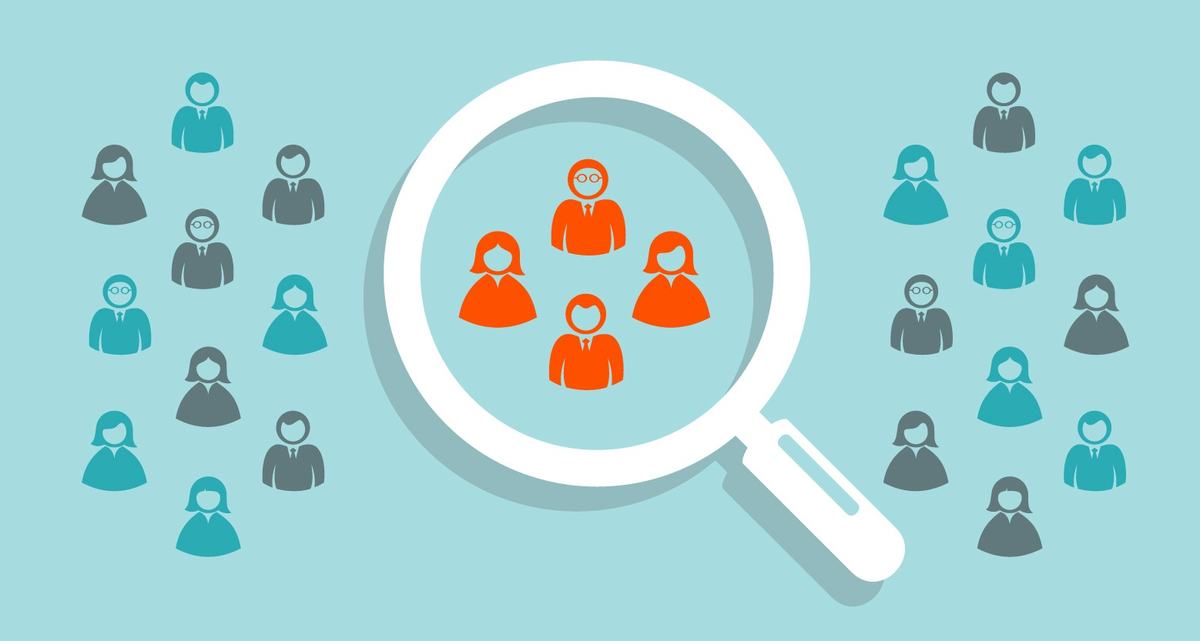

We often ignore random emails that come to our private inbox, or promotional magazines and newspapers distributed to homes. In fact, nonprofits can avoid this method of dealing with messages directed to the public and increase their return on investment through "donor segmentation."
Generally, the concept of "donor segmentation" involves dividing the organization's donor database into smaller groups based on coalition points that combine different donors; similar to geographic distribution, the age and type of institution, donor status, donation size, and others. Regardless of the size of the nonprofit organization, donor segmentation is a strategy that facilitates individual communication with donors.
Focusing on enhancing the relationship with donors contributes to greater success for organizations in the nonprofit sector. Additionally, paying attention to donors' desires and needs builds a kind of connection, credibility, and trust between the organization and the donors, which in turn will yield a higher percentage of donations.
Through donor segmentation, the organization will be able to:
● Target messages and information to a smaller percentage of the target audience.
● Encourage donors to interact with the nonprofit, wherever they are.
● Personalize the communication process with donors to strengthen the relationship based on principles of credibility and trust.
● Solicit donations through a strategy based on empirical data.
● Reduce the annoyance of other donors outside the target sectors.
● Increase return on investment by providing useful content about the donation strategy from the donors' side.
Primarily, "donor segmentation" relies on small groups of donors. This makes each donor feel that the content or message is personally directed at them. According to recent statistics, sending a personalized email to a donor increases the open rate by 14% and raises the conversion rate by 10%. Donor segmentation also allows sending content that interests the donors.
In a related context, donor segmentation helps build a bridge of trust and credibility between the organization and the audience, thanks to targeting specific content to a specified group. As a result, the percentage of donors who unsubscribe or stop following the messages directed by the organization will decrease, along with an increase in return on investment.
In fact, there are many ways for "donor segmentation"; for example, donors can be segmented based on social, psychological, or preferential factors. However, it is important to note that these methods require intensive research skills as it is challenging to obtain the required information.
- Segmentation based on the social perspective:
This type of segmentation relies on a set of characteristics; such as age, gender, household size, income level, occupation, and social class.
- Segmentation based on the psychological perspective:
This mainly depends on the donor's lifestyle, behavior, and personal traits.
- Segmentation based on the best communication methods:
This approach is based on a subset of donors who prefer to receive emails through mail services, so this request must be met. In this case, the organization must know the communication method that the donor prefers.
Based on the three methods mentioned earlier, "donor segmentation" requires collecting more data based on live experiences to ensure achieving the desired results. In this regard, surveys are the best marketing tools to collect necessary information about donors such as their motivations and commitments. For further assistance, nonprofits can utilize the services of "SurveyMonkey" which provides many survey templates directed at donors.
Why is donor segmentation important?
With the development of social media and strategic trends over the past years, we notice that communication through email still maintains its position. According to McKinsey, email remains the most effective means compared to other media.
Statistics have proven the strength of developing email communication skills:
● 39% of marketers who segmented their email lists saw increased follow-up rates for their messages.
● 28% experienced a decrease in unsubscription rates.
● 24% gained a greater ability to deliver content and higher returns.
● An 18% increase in transaction volume.
● A 15% increase in customer acquisition.
Donor Segmentation and Creating a Profile for Them
By segmenting donors, organizations can connect a certain number of messages together to reach a specific group of people. However, to understand the motivations of donors, the organization will need a profile for each donor.
It is worth mentioning that donor segmentation complements the process of individualizing donors; unlike donor segmentation, the individualization process involves a fictional characterization of the ideal target audience by the organization, which helps in understanding donor behavior, motivations, and desires. Thus, the profile of the nonprofit donor can be developed to create more appropriate content for the donors, which in turn will increase return on investment and make donors more committed.
Location: Cause Vox
Author: Hilary Bodin
Link:https://www.causevox.com/blog/donor-segmentation-matters/

Comments (2)
No comments yet. Be the first to comment!