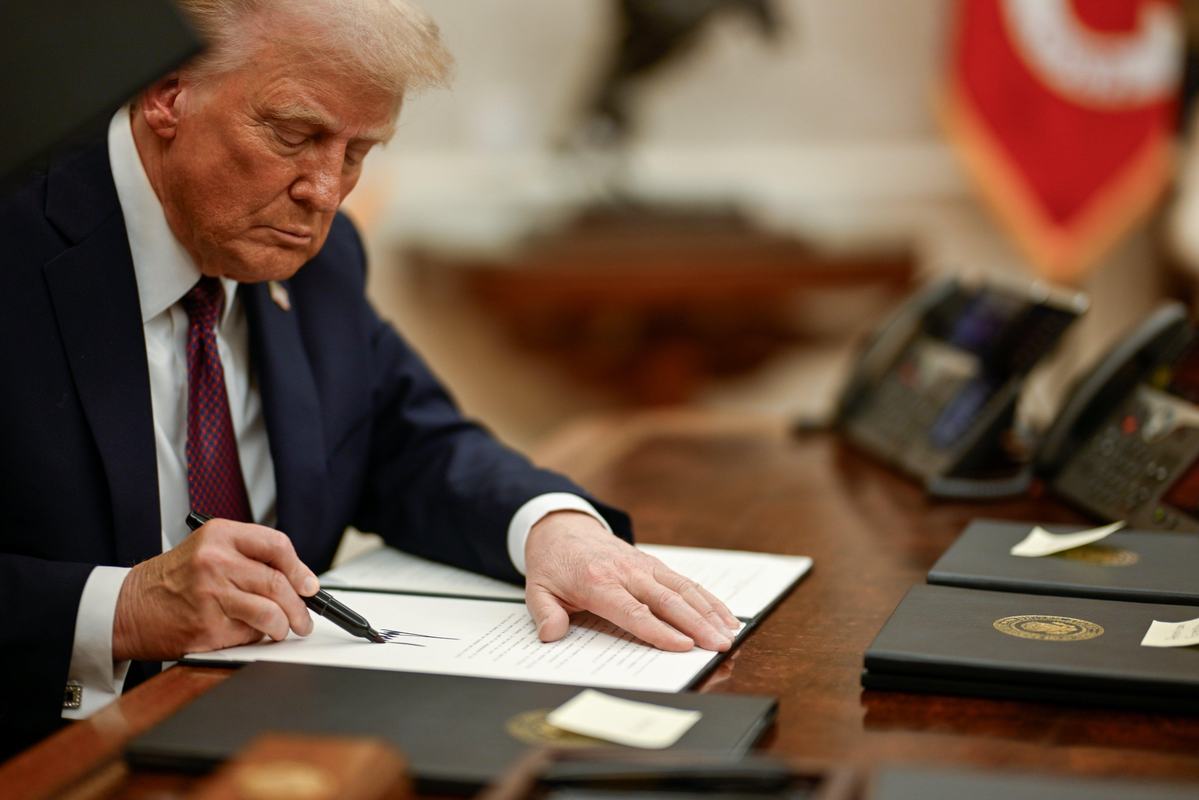

When a single memo is issued from the White House, dozens of grants are canceled, millions of dollars are frozen, and thousands of workers in nonprofit organizations hold their breath. This is not a dramatic scene, but a reality experienced by the American charitable sector with President Trump's policies, which have cast a shadow over justice, empowerment, health, and education programs.
During his administration, the U.S. government took steps that raised widespread concern within the charitable sector: federal funds were frozen, equity and inclusion (DEI) initiatives were rolled back, and thousands of layoffs occurred in the government sector, leading to a paralysis in communication lines with many supportive entities.
Some major institutions like Freedom Together and McArthur chose to increase the amount of grants to compensate for this disruption, but many other entities preferred silence and waiting. Conversely, organizations found themselves required to redefine their funding identity anew.
Here we reach the broader question: What is the relationship between the rest of the world, especially nonprofit sectors outside of America, and everything happening there?
The answer is simple: because we live in a global economic system that influences and is influenced by one another. When funding policies waver in the largest economy in the world, the circles of influence do not stop at its geographic borders, but extend to:
- Multinational companies reconsidering their global community support strategies.
- International granting institutions that tend to reduce or redirect their support scope.
- Cross-border initiatives and partnerships that relied on a certain stability in U.S. priorities.
If a single memo from the Office of Management and Budget in the U.S. halted billions of dollars in support, then a nonprofit project in any country relying on an external partner might find itself without funding in an instant.
From here, the recommendations contained in the original report published on the AFP Global website serve as a roadmap for any organization seeking sustainability in a volatile world:
1- Understand your funding sources accurately and identify vulnerability points associated with the outside.
2- Be transparent with your team and partners about potential challenges.
3- Re-evaluate your relationships with companies and international granting institutions.
4- Seek flexible local funding models, such as endowment funds or recurring donation programs.
5- Always be prepared for emergency scenarios, through actionable contingency plans.
In conclusion: the interlinking of crises requires fiscal sovereignty
It is unrealistic to completely separate ourselves from the world. However, it is wise to reduce dependence on external sources in the most sensitive sectors: nonprofit work.
Every global political or economic crisis resembles a stone dropped into the international charitable funding lake. Every organization relying on cross-continental partnerships is called upon today to rethink its models, not out of fear, but out of preparation.
This article has been translated and analyzed based on an article published on the afpglobal.org website titled: "Fundraising in Uncertain Times: How to Be Proactive to Secure Your Funding"

Comments (3)
No comments yet. Be the first to comment!