
We often pose this question in campaigns, in impact reports, and even in daily meetings: why do people donate? But the usual answers like "because they love good" or "because they believe in the cause" are no longer sufficient to convince the marketing team or to develop strategy.
After a careful reading of the booklet "The Psychology of Fundraising," published by Al-Fawzan Academy, the picture became clearer, although more complex. Giving does not originate from a logical area as much as it arises from an emotional moment that stimulates action. The difference between a successful campaign and another lies not only in the means but also in the message directed to both the mind and the heart together.
What is Meant by the Psychology of Giving?
The word "psychology" is derived from the ancient Greek word "Ψυχή" (psyche) which means soul or spirit, and "λόγος" (logos) meaning study or science. Hence, psychology became the science of the mind: the study of human thought and behavior.
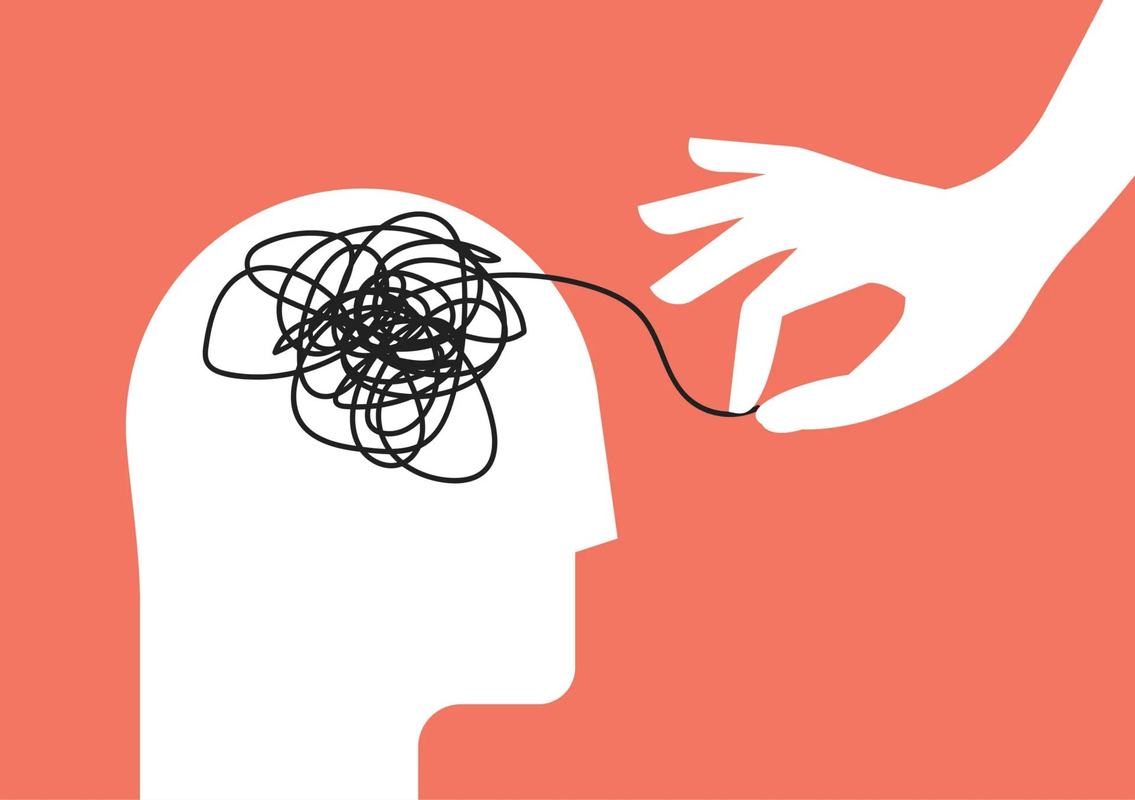
When we connect this concept to giving, "the psychology of giving" refers to understanding the psychological motives that lead an individual to decide to give. What drives a person to donate? Is it guilt? Empathy? The desire to belong? Or the search for meaning?
This field focuses on that precise moment when intention turns into action, revealing the factors that influence that moment: from the method of request, to the formulation of the message, to the identity of the beneficiary.
Talking about donation is not complete without referring to what psychologists call "the psychology of giving." This field studies how and why individuals make their decisions to give, and what drives one to open their wallet while another hesitates.
It's not just about believing in the cause; it involves deeper factors related to perception, emotions, and the context in which the donation request is presented. Psychology does not only explain the phenomenon, but also reveals tools to improve interactions with the audience.
What the Book Reveals from Hidden Angles
1. The Way the Request is Framed Changes the Response
When people are asked about their time before their money, their response is stronger. The reason? Time leads to thinking about the experience, while money involves calculations. The former evokes emotion, the latter activates caution.
2. Donating to a Person, Not a Cause
I saw in the booklet repeated indications that individual stories surpass general data. One image of a girl smiling amidst a food crisis is stronger than a chart showing the number of affected individuals. Because people empathize with those they can name, not with those condensed into a number.
3. When Numbers Are a Burden
Many organizations err when they begin their discourse with statistics. The booklet reminds us that an overload of numbers creates what is known as "psychological numbing"; we begin to ignore the impact instead of feeling it.
4. Effort Gives Meaning to Donation
In a striking chapter, the book presents a phenomenon known to field workers: donations increase when there is effort involved. Marathon, climbing, physical challenges... because personal pain gives the donor a sense that their contribution has cost them, and thus is more valuable.
5. Distracted Intent Reduces Impact
The booklet also addresses people's tendency to distribute their donations among many entities, which may weaken the overall impact. It suggests smart practices to direct the decision towards a single entity without making the donor feel constrained.
6. What Truly Matters to the Donor
The donor often does not delve deeply into budgets. However, they are affected by what they see as impact. Therefore, presenting images, testimonials, transformation stories, and even trust symbols such as regulatory logos leaves an impression that goes beyond numbers.
In Conclusion
This book was not just a reference source, but a journey to understand the layers of decision-making among those we ask for support. It changed something in me, in the way I write campaign messages, in the format I choose for the cover image, and even in the arrangement of questions during the first meeting with supporters.
I recommend that anyone working in resource development, in writing speeches, or even in planning campaigns read this booklet not as a reader, but as someone preparing to shape the behavior of an entire audience.

Comments (4)
No comments yet. Be the first to comment!