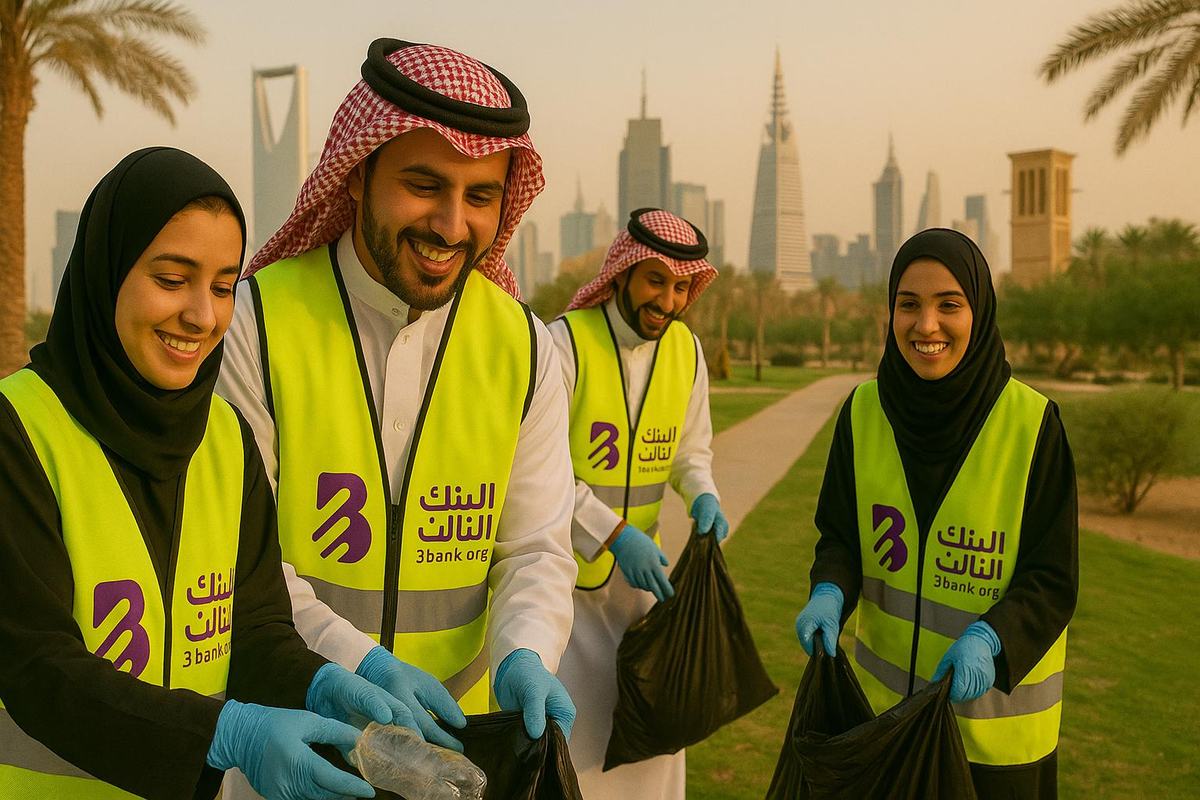

In an era of rapid national transformations, the volunteer system is one of the most prominent pillars of a "Vibrant Society" within Saudi Vision 2030, which aims to reach one million volunteers annually - and has achieved that, thank God - .
However, reaching this number alone is not enough unless it is accompanied by a quality relationship between organizations and volunteers, and the depth of the volunteer experience itself.
Volunteers are not just numbers in performance reports, but human leverages that represent an extension of values of giving and belonging. If governmental and non-profit organizations want to transform volunteering from a fleeting act into a sustainable experience, what is required is not just to "attract them",
but to "retain them and engage with them deeply".
In this article, we present five practical practices that help build a long-term relationship with volunteers, in line with the aspirations of the vision, and directed at those working in volunteer management in public and non-profit institutions.
1. Make Your Website a Magnet, Not Just an Informational Window
Many volunteers begin their relationship with the organization by browsing its website. Here, it is not enough to present an introductory overview; the website should be transformed into an effective platform for attracting and employing volunteers, through:
- Presenting volunteer opportunities professionally, including: tasks, required skills, number of hours, and a direct link to apply.
- Highlighting unconventional methods of participation (such as: a volunteer leave from work, or digital volunteering).
- Providing a direct means of communication with the volunteer coordinator within the organization.
- Including photos and quotes from former volunteers to create an emotional and motivational aspect.
2. Activate Social Media to Become a "Human Bridge", Not Just a Publishing Channel
Social media today is not just for publishing achievements, but a dynamic platform for recruitment, interaction, and building trust. Organizations can:
- Publish authentic and attractive descriptions of volunteer opportunities, indicating what the volunteer will gain.
- Send personal invitations to former volunteers to return again.
- Document volunteer projects with photos and videos that highlight the "value" not just the "event".
- Publicly thank volunteers and highlight their contributions, which enhances their sense of belonging.
Here, we recommend tailoring messages according to each platform, and utilizing features like live stories or broadcasts to add a human touch.
3. Highlight What the Volunteer Gains from the Experience
According to observers of volunteer work, the motivation of volunteers is not limited to "the desire to do good", but also includes:
- Building a professional network.
- Developing skills (such as: speaking, management, design).
- Improving mental health and sense of achievement.
- Sometimes: receiving discounts or benefits, or even advantages in their resumes.
The more the organization clearly and professionally highlights these benefits through its platforms and communications, the more attractive it becomes to volunteers from various backgrounds.
4. Seek Their Opinions... and Open Doors for Their Feedback
In the environment of Vision 2030, it is no longer acceptable for organizations to operate in silence without involving their audience in improving their performance. Volunteers are partners, not recipients, therefore:
- Send periodic surveys (anonymous if necessary).
- Encourage team leaders to hold one-on-one listening sessions with volunteers.
- Organize consultative meetings after every volunteer campaign to review the experience.
Even if you cannot implement all suggestions, just listening enhances the sense of value and respect.
5. Show Them Their Real Impact
The emotional engagement of the volunteer multiplies when they see how their efforts contributed to making an impact. Therefore:
- Send short reports summarizing what has been achieved in campaigns or events.
- Use a combination of numbers and stories: "80 volunteer hours saved 120 trees" + "Sara's story who benefited from the initiative".
- Make the volunteer see themselves as part of the success story, not just an observer.
When the volunteer sees their impact, they transform from a passerby into a permanent ambassador, and perhaps an attractor for other volunteers.
Toward a Sustainable Volunteer Culture
Volunteering is not a one-time initiative; it is a management culture and a strategic partnership. Organizations that invest in the volunteer as a "human" will, in return, gain a more committed, loyal, and effective volunteer.
Let these practices be part of an institutional transformation that reflects the spirit of Vision 2030 in engaging citizens in development, not just as beneficiaries, but as active and influential participants.
Translated with modifications from : donorly

Comments (3)
No comments yet. Be the first to comment!