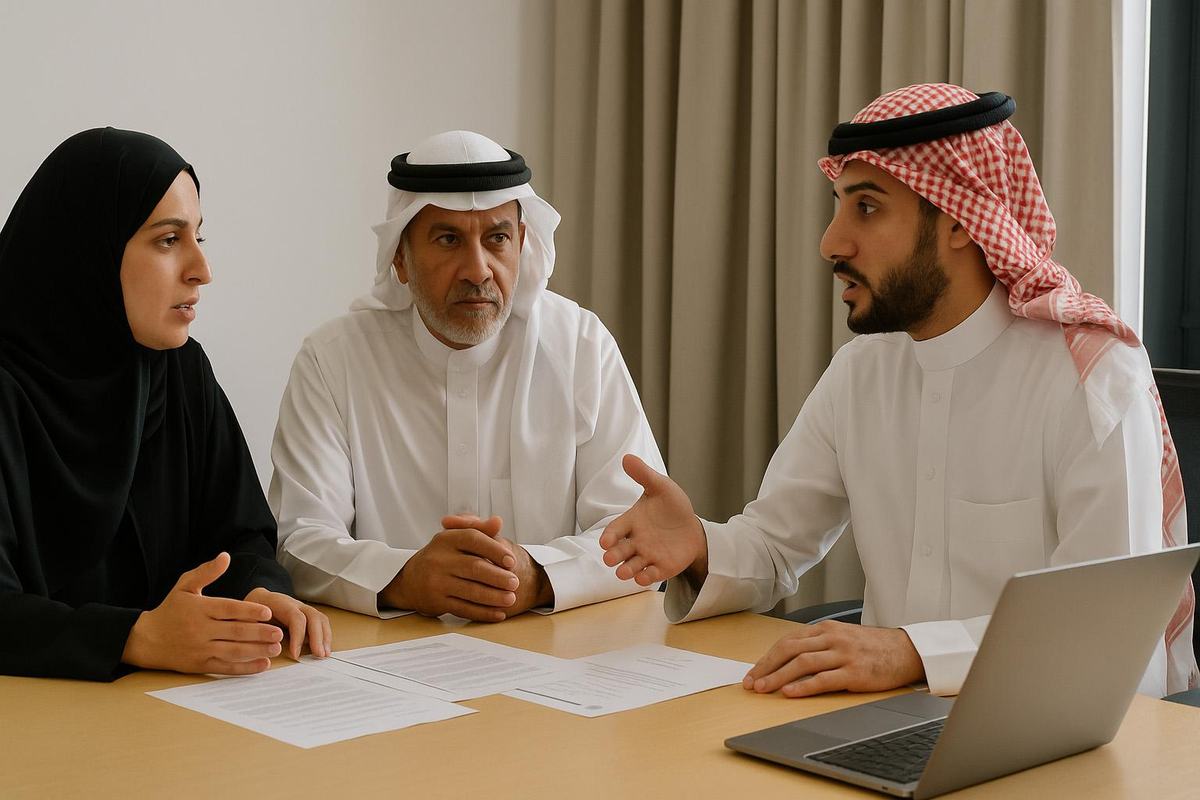

In light of global calls to rebuild charitable work on more just and inclusive foundations, author Melissa Marie Lopez presents a bold critical vision in her article published in Brainz Magazine titled
Reimagining Philanthropy For Equity – Decolonizing Leadership & Autonomy
which advocates for dismantling traditional structures of leadership and governance within the non-profit sector, based on the demand for racial justice and the empowerment of local communities.
The article does not stop at merely diagnosing the issues but reviews real models – such as SisterSong – and suggests practical steps to transform organizations from entities managed externally to entities "by us and for us," where power is redistributed, autonomy is regained, and the leadership role is redefined as a responsibility rather than a privilege.
Why Is This Article Important?
In light of the social, economic, and cultural transformations taking place in the Kingdom under Vision 2030, the concept of "Decolonization" emerges as a powerful analytical tool to understand power dynamics within non-profit organizations, especially regarding leadership, governance, and resource allocation.
The article does not merely present slogans but offers a perspective that redefines the relationship between leadership and justice, between empowerment and autonomy, and between charitable intent and structures that may unconsciously perpetuate discrimination.
Global Context: Colonial Legacy in Leadership Roles
The article points out that many of the administrative structures and leadership boards in non-profit organizations in the West continue to reflect – intentionally or unintentionally – old colonial frameworks, through monopolizing decision-making and excluding marginalized communities from leading initiatives that affect their lives.
The author cites the American organization SisterSong, which works in the area of reproductive justice, as a model of an organization that places racial justice and autonomy at the core of its leadership and governance.
What Does "Decolonization" Mean in Our Saudi Context?
Although the Kingdom is not colonized in the historical sense, our organizations may unconsciously inherit structural and intellectual models that are inconsistent with our environment.
When we replicate funding models, governance approaches, or concepts of leadership from external contexts without adaptation, we may reproduce representation gaps or exclude our local communities from leading their charitable destinies.
Hence, the importance of the article in raising the right questions:
- Who holds the decision-making power in our charitable organizations?
- Are the targeted communities partners in shaping solutions or merely recipients?
- How do we rebuild leadership to emerge from the needs of the Saudi reality, rather than being imported from international models?

Comments (4)
No comments yet. Be the first to comment!