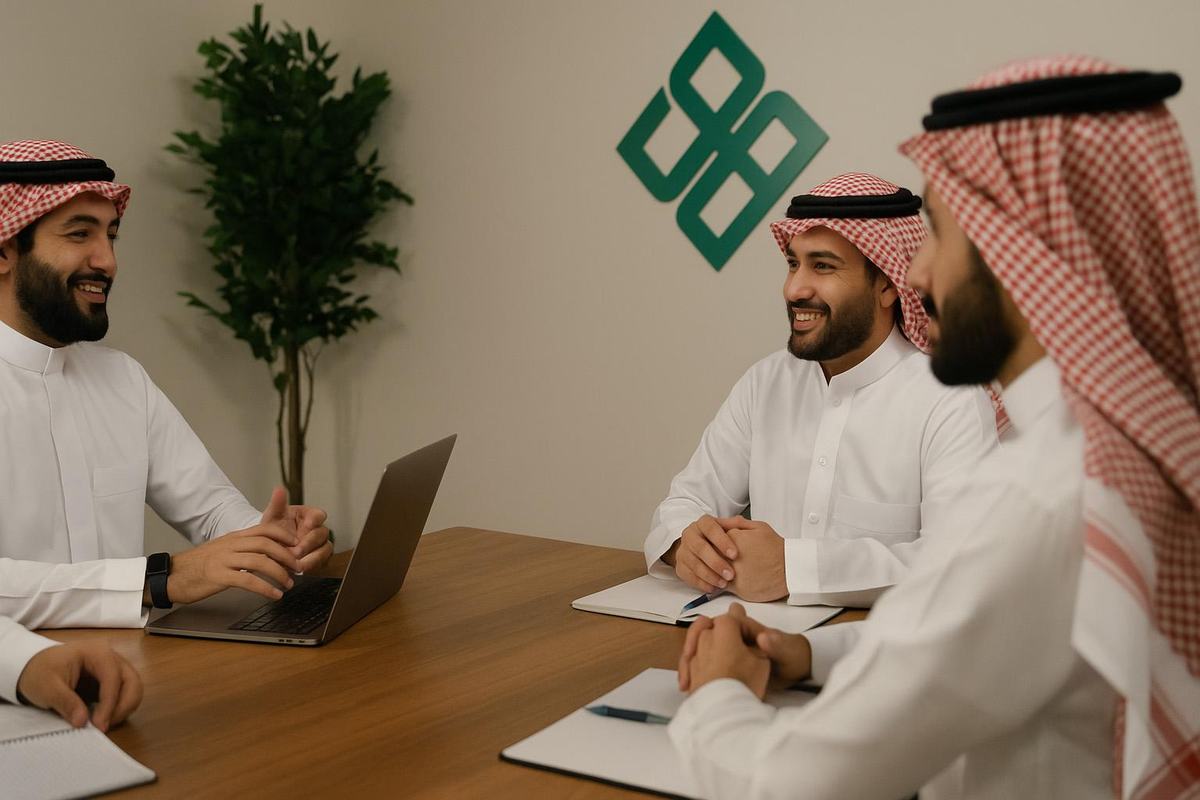

As nonprofit organizations emerge from the COVID-19 pandemic, there is a renewed focus on reconnecting with the core mission and building culture.
At the 2024 Nonprofit Summit, we presented a session titled "Creating a Successful Culture" in collaboration with Megan Dunn, the Executive Director of Covenant House in Michigan. Here are 5 steps we provided for building a successful culture using the resources you have today.
Over the past few years, nonprofits have been in survival mode during the COVID-19 pandemic. Today, the top priority for many leaders is to reconnect with their organization's mission and values and to build a strong and thriving culture to support their team. For some, the challenge of building culture seems as daunting as surviving through the pandemic. But building a successful culture is possible if you take a systematic approach, keep your efforts manageable, and take time to celebrate victories along the way.
What is Organizational Culture?
For some organizations, "culture" is just a buzzword or a checkbox to tick during leadership meetings. But it is much more than that. It is the heartbeat that drives the organization and its mission forward, the thread that connects its members, and the fuel for collaborative effort that leads to meaningful work. It guides actions, decisions, and relationships.
A successful culture is built around four key pillars:
Mission: The foundation of organizational culture is the mission — the long-term vision, core ambition, and overall direction of the organization. What is your goal? Where do you want to go? What is your "why"? Your mission should be documented, communicated, and understood by leaders, staff, and all stakeholders. It should be front and center to help employees understand the purpose and importance of their work and to align individual and team goals. It is the basis upon which your core values are built, processes are created, and expectations from employees are defined.
Consistency: The mission, values, operational principles, and communication must be applied consistently. This is one of the common challenges reported by organizations widely. Consistency is most effectively maintained by leaders; they set the overall tone for how relationships are built, how things get done, and how information is conveyed.
Engagement: Create a shared sense of purpose, pride, and ownership in the work. How does this happen? By prioritizing recognition, performance feedback, work-life balance, and learning opportunities, individuals become more likely to engage in and stay committed to the mission. People do their best when they feel challenged, appreciated, and involved.
Adaptability: Culture is not static. It evolves and adapts over time and requires constant attention and ongoing actions for continued success. Organizations with strong cultures have an innate ability to coexist with constant change. Instead of waiting and reacting to challenges, they recognize and address them proactively by asking, "What do we do about this?"
With these fundamentals in mind, the next question is: how do we practically apply culture in a way that strengthens our organization? Whether you are making improvements to your nonprofit's culture or planning a complete overhaul, these five steps will help you get started:
1. Define Organizational Goals and Align Them with Hiring
The first step in building culture is to establish your nonprofit's vision and identify goals and priorities for the future. To help address the pillars of culture, ask your team what they need to feel supported. What do they want to increase or decrease? Who do they need to reach out to? What resources can the organization provide? You can gather these insights through one-on-one conversations, culture surveys, open forums, and more. A key element of this step is ensuring that you have the right people in the right roles. Cultural success is realized when there is a high degree of alignment between individual talents, preferences, experiences, and roles.
2. Establish Processes for Performance Management:
Set clarity around roles through a formal, documented performance management process that includes expectations for each role, how that role connects to the nonprofit's mission and values, and how it impacts the organization's work outcomes. During onboarding, clarify for the new team member what they will be doing, what support they will receive to be successful, what success looks like in that role, and how feedback will be provided. Then offer the necessary training and create other work experiences to build skills and apply what has been learned.
Over time, individuals will be regularly promoted to new roles within the organization. With promotion will come onboarding into the new role, which restarts the process. A mature performance management process keeps the organization running smoothly from generation to generation. Introducing transparency into the process gives individuals a view of their long-term career path and how what they do today is important for their future.
3. Set the Overall Tone:
With clearly defined organizational goals and a platform to build your team, it’s time to focus on what many leaders find the most exciting part of their work — developing their people, aligning them with the organizational culture, and creating a positive environment.
Here, the focus shifts to the individual. Successful cultures are built on the recognition that "the whole person comes to work." People show up to their jobs with their own experiences, perspectives, and preferences. They seek balance and flexibility, wanting to connect with the organization in a more profound way.
The overall tone in the organization begins with daily personal interactions between individuals. Whether it's a simple smile and a "good morning" as employees walk through the door, attending a team meeting, or a phone call to thank team members for their work — each interaction is a deposit into the "cultural bank account."
The concept of the "whole person" acknowledges that what happens outside of work impacts a team member's ability to perform at their best. This is why culture-centered organizations invest in helping employees achieve balance between work and personal life. For example, direct care staff may not have the flexibility to work from home, but they may significantly benefit from four-day workweeks, hybrid and compressed schedules, or more flexibility around childcare. These solutions can be a wise investment: they contribute to a happier work environment and may lead to fewer requests for paid leave, fewer overtime hours, and better employee retention.
Another key element in addressing the "whole person" concept can be a strong diversity, equity, and inclusion program. This, along with a diverse leadership team and board of directors, supports the organizational culture by allowing team members to show up more authentically and offer valuable perspectives in decision-making.
Finally, organizations that prioritize employee development and celebrate team members' achievements through promotions, accolades, and other forms of recognition cannot do this enough. Recognition motivates and reinforces a culture of appreciation and a sense of value.
4. Bring People Together:
Successful cultural organizations make a concerted effort to bring people together. They do this by maximizing personal touchpoints, providing opportunities for the team to connect outside their daily roles, and organizing occasions for employees and leaders to come together. There are many examples of impactful ideas used by nonprofits to foster a culture of development. Here are some ideas to consider that do not require many resources.
Leverage internal expertise. Every organization has internal experts who have knowledge about the organization and its cause — incredible things can happen when these individuals are given a platform to speak about what they are passionate about.
Peer learning groups. Ask employees if they are interested in participating in peer learning. If they say yes, create small groups based on similar interests or skills and provide opportunities to discuss best practices, ongoing projects, or what they might be learning independently.
Free or low-cost educational resources. Encourage employees to take initiative in their learning by providing them with opportunities for micro-learning, reading articles, or accessing free online educational content they can refer to at their own pace. There’s a wealth of information readily available from sources like LinkedIn Learning, Gallup Workplace, TED Talks, Culture Amp Resources, Bridgespan, and YouTube, covering a wide range of topics related to culture.
Observational learning and job shadowing. Provide opportunities for employees to shadow colleagues in different roles. This can offer valuable experience and give them a chance to see how the organization operates from the inside in ways they might not notice in their daily activities.
Formal/informal mentoring. Pair strong, experienced employees with new team members through formal or informal mentoring programs. This provides a great opportunity to create high-impact interactions between employees, helps individuals build their internal networks, and creates resources for growth and support — sometimes at both the professional and personal levels.
"Lunch and learn" sessions. Lunch and learn sessions, or a "brown bag" series of meetings, or coffee chats are great ways to meet and discuss relevant topics. Book clubs and walking meetings are another excellent way to bring people together for informal conversations. All of these ideas help, directly or indirectly, in promoting professional development and make individuals feel a greater connection to the mission and organization.
If your organization doesn't have the capacity in the HR department to organize these activities, that's okay — the team can collectively brainstorm ideas and opportunities to create these connections. Start small, try one or two things, and if it doesn't work, try something different.
5. Ensure Things are on Track:
Finally, make sure to continually measure your progress to ensure your culture-building efforts are making an impact. Review employee retention data for improvements in turnover rates. Conduct surveys with your employees to gain insights into their experiences within the organization. You can track progress through quick surveys, satisfaction discussions, touchpoints with supervisors, and group meetings. Make this a continuous process throughout the year — don't wait for data from year to year.
Nurturing Organizational Culture is a Journey
Developing culture may seem overwhelming, but it doesn't have to be. Plan to break your efforts into smaller steps, and tackle each one intentionally. Start with the four pillars of culture — mission, consistency, engagement, and adaptability — to build the foundation. Create, maintain, and communicate your "why" to connect people to the mission. Then focus on creating an environment filled with joy, where people want to stay and grow, feel appreciated, and speak positively about their experiences inside and outside the organization. Give yourself time, and remember: successful cultures are made, not born — aim for progress, not perfection, just focus on making things better at every opportunity.

Comments (4)
No comments yet. Be the first to comment!