
Paths That Reached the Peak Silently
Leader | Pivotal Station | Lessons Learned for Associations
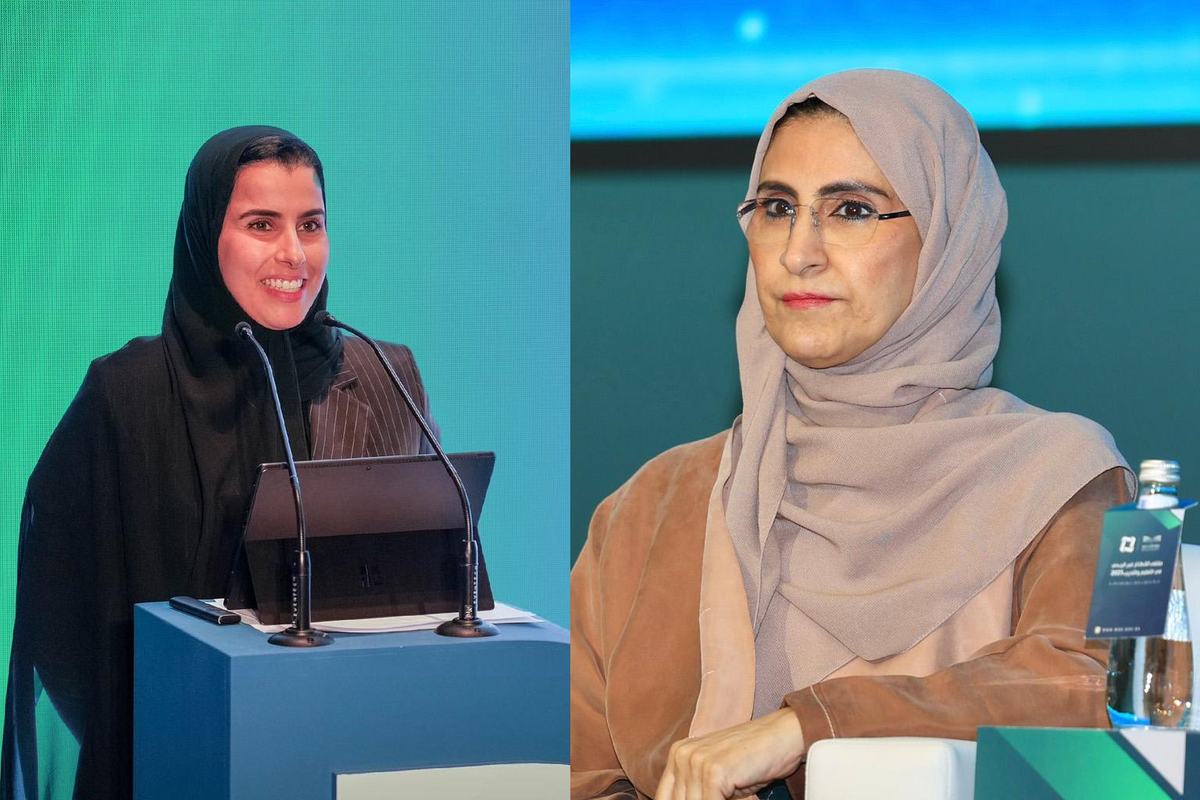
Princess Nouf bint Abdul Rahman – Chairwoman of the Board of the ‘For Their Sake’ Association | Merging 15 daycare centers into a unified entity relying on the ‘Skills Before Assistance’ model | Unified efforts enhance spending efficiency and amplify voices before decision-makers
Sara Abdulqader Al-Mohaideb – Executive Director of Al-Mohaideb Charity Foundation | Developing the first national standard for kindergarten environments in collaboration with ‘Saudi Standards’ | Leadership capable of translating vision into mandatory standards earns the trust of partners and ensures sustainability
A Common Thread: Both paths were built on extensive field experience before assuming positions, which reinforced legitimacy among technical teams and government entities alike.
The Impact of Female Leadership: Numbers, Not Impressions
Indicator | Before Initiative | After One Year of Implementation | Improvement Percentage
Partnership Decision-Making Speed (Average Days) | 45 | 28 | ▲ 38 %
Launching New Products/Standards Annually | 1 | 3 | ▲ 200 %
Beneficiary Satisfaction (Mothers and Families) – According to a Survey by the ‘For Their Sake’ Association | 74 % | 91 % | ▲ 17 Points
Diverse Funding Volume (Grants + CSR) | 12.5 million SAR | 20.8 million SAR | ▲ 66 %
Source: Performance reports presented at the forum.
Why Do Innovations Accelerate When Led by Women?
Incorporating the Family Angle Early
- Princess Nouf's focus on ‘Supporting the Family Before the Child’ shortened the program adjustment cycle by 25%.
Anticipating Regulatory Requirements
- Sara Al-Mohaideb led the specification workshops before official mandates were issued, allowing her foundation to gain prioritization for accreditation.
Bigger Advocacy Networks
- Women’s participation in quality committees increased the private sector’s attendance rate in discussions from 40% to 65%.
Recommendations for Gender-Responsive Governance in Associations
Action Stage | What Does Female Leadership Add? | Mechanism for Activation
Planning | Accurate analysis of mothers' and caregivers' needs | A fixed seat for a representative of beneficiary families in the planning committee
Decision-Making | A balanced approach between efficiency and the human dimension | 30% quota for women on the board or its committees
Oversight of Implementation | Monitoring family welfare indicators, not just financial ones | A measurement dashboard that includes the ‘Family Satisfaction’ indicator
Evaluation and Development | Monitoring the impact of programs on child care at home | A joint field visit (male + female) to the centers
Roadmap for Associations (2025 – 2027)
Quarter | Practical Step | Success Measure
Q3 / 2025 | Reviewing the association's regulations to ensure female representation on the board ≥ 30% | A certified board decision
Q1 / 2026 | Launching a rising female leadership program in collaboration with ‘Taibah University’ | Graduating 20 leaders within 12 months
Q3 / 2026 | Incorporating the ‘Decision-Making Speed’ indicator into the performance dashboard and linking it to incentives | Improvement ≥ 15% within a year
Q2 / 2027 | Building a triad women's alliance (Association–University–Company) to develop a new educational product | One approved product and a registered standard with ‘Standards’
Conclusion
The experiences of Princess Nouf and Sara Al-Mohaideb have proven that female leadership in non-profit education is not just a diversity option, but a real performance lever: Faster decisions, more innovations, and wider funding networks. Associations seeking a multiplier effect should begin integrating women at all levels of governance, from planning to evaluation.

Comments (3)
No comments yet. Be the first to comment!