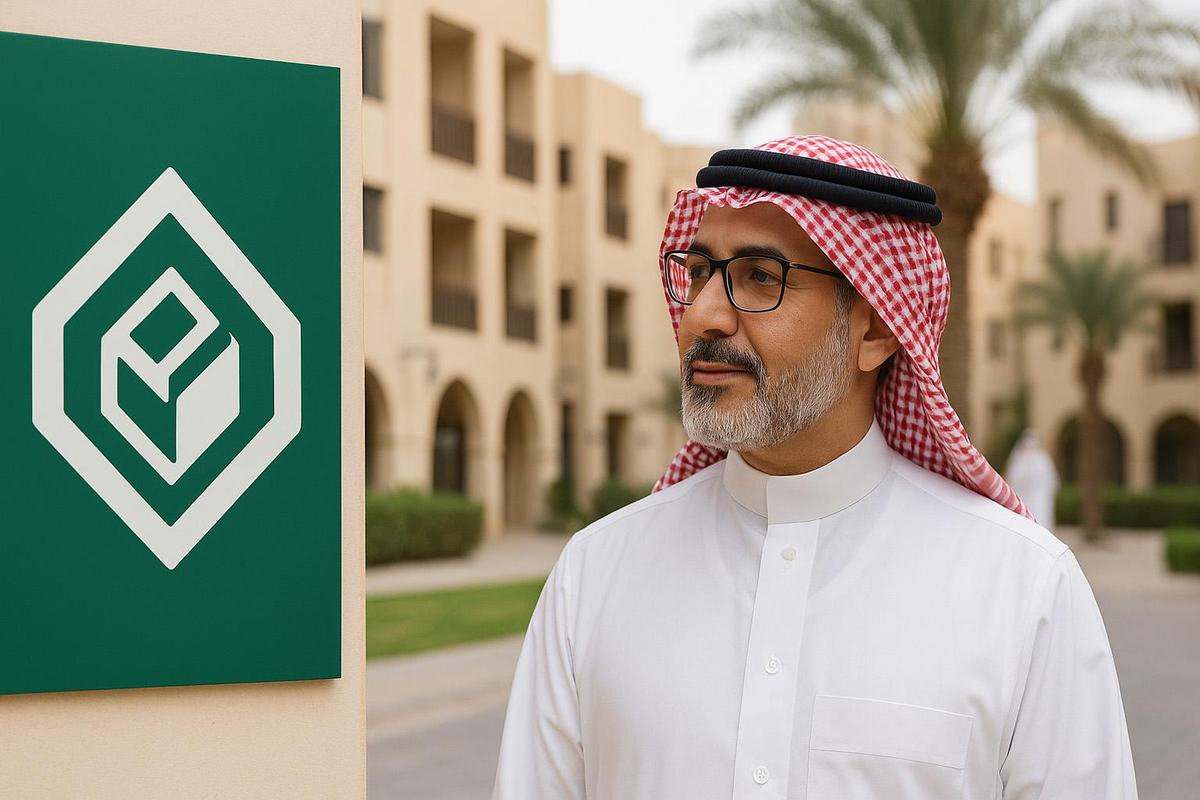

An expanded analytical reading inspired by GIST Impact, customized for the nonprofit sector in the Kingdom of Saudi Arabia
As we move into 2025, the global landscape of social impact continues to transform, influenced by new technologies, changes in the workforce, and shifts in collective consciousness regarding values of justice, inclusion, and transparency. Measuring social impact is no longer a luxury or a marketing option, but has become an essential part of institutional strategies, especially in contexts where responsibility intersects with funding, and sustainability with governance.
The following are five core trends that nonprofits, donors, and social investors in Saudi Arabia should closely monitor throughout 2025:
1. Technology for Good: Artificial Intelligence and Big Data for Measuring Impact
Artificial intelligence has become a central player in addressing social challenges, from improving access to services to optimizing resource distribution. According to the World Economic Forum report, AI is expected to create 11 million jobs by 2030, while replacing 9 million other jobs. Here, the importance of ethical governance emerges, as emphasized by institutions like the World Bank, to ensure fairness and avoid perpetuating gaps or violating privacy.
Big data is no longer just a technical support; it has become a fundamental pillar for measuring impact, including:
- Precisely allocating resources
- Predicting social outcomes
- Developing Social Return on Investment (SROI) models
These tools enable nonprofits in Saudi Arabia to transition from feeling to evidence, and from impression to scientific evaluation.
2. From Voluntary Reporting to Mandatory Disclosure
2025 redraws the boundaries of transparency. The United Kingdom has enacted the "Procurement Act 2023," which requires public entities to include "social value" among the objectives of government contracts, with performance indicators for suppliers in contracts exceeding £5 million.
In Europe, the CSRD directive has come into force, which mandates companies to disclose precise social and environmental data using ESRS standards, focusing on double materiality — how the company affects the environment and society, and how these elements, in turn, affect its sustainability.
For the Saudi nonprofit sector, this shift indicates that supporting and organizing entities will focus in the future on accurate digital evidence, necessitating early preparation and development of the knowledge and institutional framework.
3. No One is Exempt: Training Marginalized Groups in Future Skills
As the labor market evolves, the "Future of Jobs 2025" report predicts that 39% of essential employee skills will change by 2030. In contrast, global initiatives are moving towards empowering the less fortunate through specialized technical training.
For example:
- Microsoft’s TechHer digital camps provide an economic return of £70,000 per beneficiary over five years
- The Digital Edge program grants disadvantaged youth digital skills that generate £78,000 in economic value per graduate
These figures are not promotional; they reflect the concept of productive empowerment that the Saudi nonprofit sector can draw inspiration from in its development programs, especially in youth and educational associations.
4. DEI: Diversity, Equity, and Inclusion Persist Despite Challenges
Despite rising political headwinds in some Western environments, major companies such as Apple and Microsoft remain committed to applying the principles of diversity, equity, and inclusion (DEI) in the workplace. A recent study by McKinsey showed that companies in the top quartile for DEI are 40% more likely to achieve superior financial performance compared to their peers.
DEI aims to dismantle systemic barriers that prevent equity, and it is not just a declaration of intent but a strategic tool for unleashing untapped human potential. For associations in Saudi Arabia, especially those working on women's issues, people with disabilities, and social justice, there is a tremendous opportunity to build local DEI models rooted in culture and informed by global experiences.
5. Impact Markets: From Assessment to Trading
The world is rethinking "impact value," not just as a measurement tool but as an asset that can be traded. Inspired by carbon market experiences, international initiatives such as the International Impact Assessment Foundation are working to develop standards and mechanisms to transform social outcomes into exchangeable assets.
These initiatives demonstrate how market tools can be integrated to serve community goals, through new mechanisms for funding positive change, scaling it, and achieving sustainable investment-like outcomes. This concept opens the door for models such as social bonds or pay-for-success agreements to be implemented in the Saudi environment through partnerships between the nonprofit, government, and private sectors.
Towards a New Perspective on Impact
Social impact is no longer a marginal issue. Rather, according to these trends, it has become a key criterion for an organization’s legitimacy, sustainability, and ability to create real change. In the Kingdom, these trends intersect with Vision 2030, which has raised expectations for the nonprofit sector to become a key partner in national development.
Every association, donor, or developmental entity in Saudi Arabia is today called upon to reconsider the concept of "impact," not as a final accounting, but as a mindset, a style of leadership, and a source of trust.

Comments (4)
No comments yet. Be the first to comment!