
Hilal bin Hussein Al-Qurashi
Editor-in-Chief of Al-Bank Al-Thalith | Encyclopedia of Knowledge Enrichment for the Non-Profit Sector
When I attended the "Waqf Sustainability and Savings Funds" meeting organized by Future Investment Company in Riyadh, I was struck by a presentation about a startup company in Pakistan that managed to create a remarkable transformation in a complex environment through one product: Takaful Insurance.
A relatively new company, it achieved a distinguished financial rating (A+), the first of its kind for a startup, and has a base of over 4,000 clients, with partnerships with four local banks, and plans to expand through telecommunications companies, expecting to reach millions of clients.
This may seem like a traditional achievement in the insurance world, but what stands out here is that this company does not sell "policies"; instead, it offers preventive hope for the poor, with a mechanism that aligns with Sharia laws, linking savings, waqf investment, and social security.
Takaful Insurance as a Lever for Waqf Sustainability
In the Pakistani experience, Takaful insurance was more than just a financial product. It:
- Redefined the relationship between the individual and the economy by involving the client as a "partner" in the portfolio rather than just an "insured" individual.
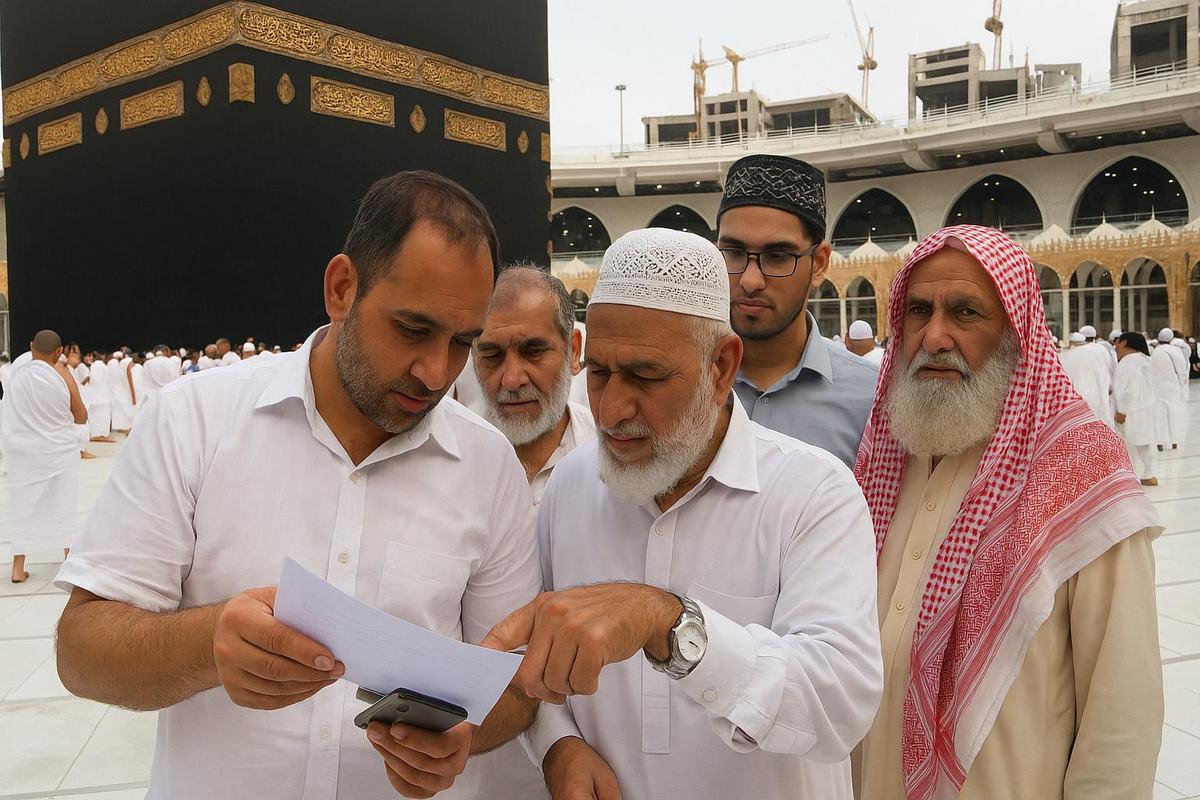
- Provided financial coverage for funding the pilgrimage through collective saving programs.
- Was used as a means to secure the lives of employees in companies, under legal obligation, thereby doubling the beneficiary base.
- Became a financial arm for waqf savings funds, creating renewable and stable income sources.
All these functions came together in one Takaful entity, operating within a growing market that already suffers from a lack of financial trust. Nevertheless, it succeeded in establishing a social and economic safety net that was not possible through state tools alone.
Why Haven't We Seen This in Saudi Arabia?
Despite the Kingdom having an advanced Islamic financial system, Takaful insurance remains in the category of marginal products and faces regulatory challenges, the most notable of which are:
- The strict separation between the profit and non-profit sectors, making it difficult to establish waqf companies that provide long-term services under market conditions.
- The absence of legislative incentives for waqf investment through insured savings funds, whether for individuals or companies.
- The unclear legal frameworks for Takaful as a waqf tool, which allow for the accumulation of savings and their use in supporting religious or social projects such as Hajj.
During the meeting, the speaker (Mr. Abdulaziz bin Jassim Bourahma, CEO of Al-Rukn Al-Khamis Arab Limited) pointed to these obstacles, confirming that the regulatory framework still considers insurance a "commercial service," not a "developmental tool." This is what needs to change.
A Vision for a Possible Solution: Waqf Takaful Funds
What we need in Saudi Arabia is not to import a Takaful insurance company, but to develop a hybrid Takaful product to be embraced by waqf entities in partnership with Islamic banks, under the supervision of the Waqf Authority in collaboration with the Saudi Central Bank.
This fund could be:
- A Takaful saving tool for the pilgrimage of the poor, contributed to by families from the birth of a child until they reach adulthood.
- A waqf insurance fund for those facing financial difficulties, supporting them from returns on waqf investments rather than temporary aids.
- A legitimate alternative product to unsustainable donations, providing coverage and service, not just charity.
Do We Have the Courage?
The Pakistani model is not perfect, and the meeting highlighted its challenges in expansion, regulation, and combating corruption, but it demonstrates that innovation does not necessarily require a strong economy, but a legislative will and a smart partnership between values and the market.
If we want the waqf in Saudi Arabia to transition from charity to impact, from initiatives to policies, then Takaful insurance is one of the most urgent and effective tools, but it is still waiting for an entity to have the courage to adopt it.
You can watch the full meeting on the Future Investment Channel:

Comments (4)
No comments yet. Be the first to comment!