
Hilal bin Hussein Al-Qurashi
Editor-in-Chief of the Third Bank | Encyclopedia of Knowledge Enrichment for the Non-Profit Sector
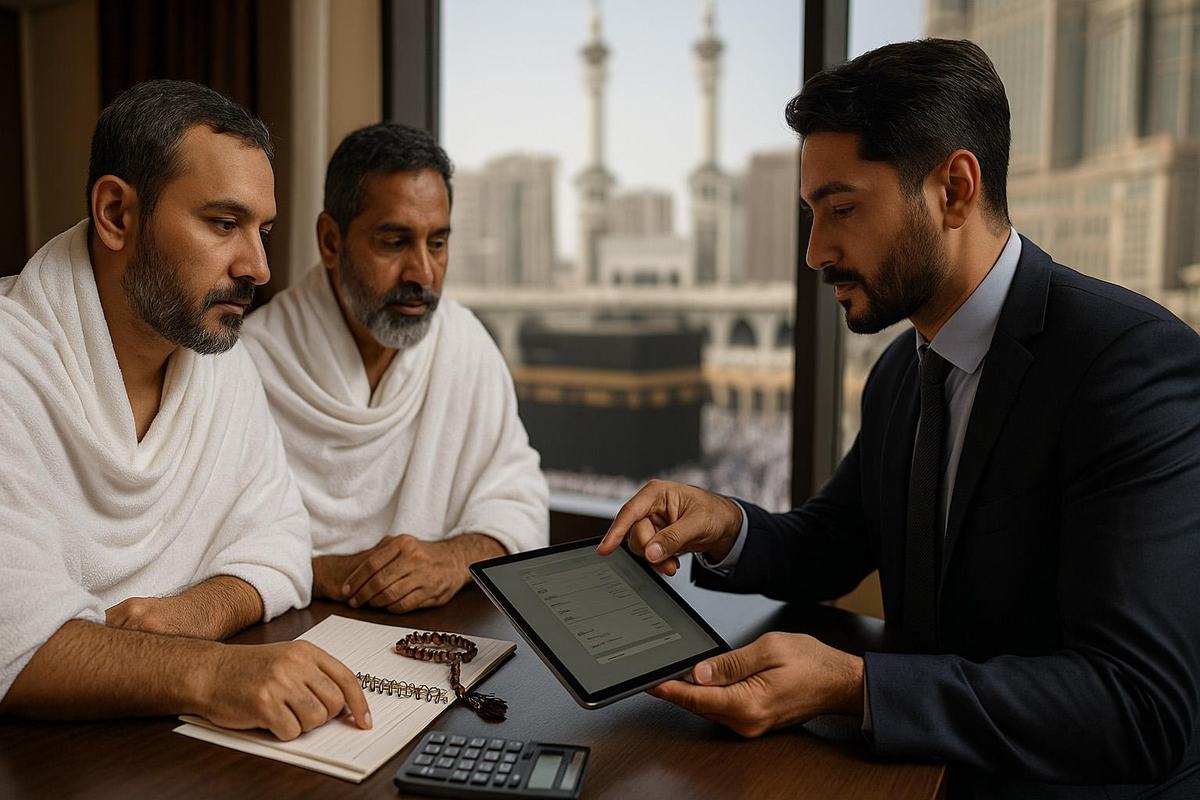
"We want to perform Hajj and profit... and profit and perform Hajj," this was how one speaker expressed himself at the "Endowment Sustainability and Savings Funds" meeting I recently attended at the headquarters of Future Investment in Riyadh.
The phrase initially seemed like a marketing slip of the tongue, but its repetition by several participants, and its transformation into a lively discussion topic among the attendees, revealed that it was not just a passing remark, but a profound existential question caught at the crossroads of ethics and investment.
Profit from Hajj: When Does It Become Suspicious? And When Does It Become Legitimate?
Since the pilgrimage shifted from a spiritual obligation performed on foot to a complex logistical project requiring visas, flights, hotels, food, and insurance, the question of profit has imposed itself.
Is it permissible for a sacred act of worship to turn into a "market"? Do profit-making institutions – or even endowment ones – have the right to build investment models around a ritual that is among the most sacred in the hearts of Muslims?
From a jurisprudential perspective, there is nothing preventing earning from Hajj services, as there are known jurisprudential precedents around those renting accommodation to pilgrims, known as "mujawirun," as well as those working as guides or providing for the needs of the pilgrims.
But the issue lies not in the permissibility of profit, but in its purposes, limits, and effects.
From Profit to Sustainability: Changing the Perspective
During the meeting, Professor Abdulaziz Bourahma – CEO of Al-Rukn Al-Khamis Company – spoke about their experience in building a profit model based on serving pilgrims, not exploiting them. He said calmly:
"We want to profit so that we can empower the needy to perform Hajj... and to profit so that we do not close the doors of initiative tomorrow due to lack of funds."
Here, the tone in the room changed.
The discussion shifted from the question "Is it permissible to profit from Hajj?" to "Can profit be a means to serve Hajj?" which represents a fundamental shift in perspective:
- Profit as a goal means inflating prices and commodifying worship.
- Profit as a means means financing mutual aid and building a sustainable model that enables the poor to perform Hajj without benefaction or humiliation.
Profit as Jurisprudence
If we return to the principles of Islamic jurisprudence, we find that intention is the governing measure in many transactional matters. Selling is permissible, but if it involves risk, exploitation, or monopolization, it becomes prohibited.
Endowment – in its essence – is not the opposite of profit, but rather a mechanism to transform profit into lasting benefit, provided that the means do not swallow the ends.
In the case of Al-Rukn Al-Khamis Company, profit was not simply a financial surplus, but was reinvested into:
- Monthly savings funds starting from childhood.
- Financing programs for the Hajj of the poor through zakat.
- Operating budget hotels owned by endowment funds.
All these profit circles served one goal: to expand the ability to perform the Hajj obligation and reduce the financial burden on individuals and the state alike.
Profit as a Developmental Policy
In the Saudi context, endowment institutions face real challenges in financial sustainability. One of the major issues is that many charitable initiatives start with enthusiasm and end in failure because they were not designed from the outset on a long-term funding basis.
From here, we must rethink "profit from Hajj" not as a stigma, but as a strategy.
- A strategy that enables the state to alleviate the burden of support.
- A strategy that engages the private sector, donors, and investors in a ritual project.
- A strategy that makes Hajj not just an obligation to be fulfilled, but an endowment project that unites faith and development.
From Bodily Profit to Meaningful Profit
It was striking at the meeting how the faces of the attendees changed when the question of profit was first raised, and how they began to relax when it was rephrased as "endowment sustainability for serving a great ritual."
Profit is not a flaw in itself. The flaw lies in profiting while forgetting why we started. And in using the ritual for our pockets instead of using our pockets for the ritual.
When Hajj is managed with an endowment mindset, it not only cultivates financial balances... it cultivates an investment conscience that views money as a tool, not as a deity.
You can watch the full meeting on the Future Investment channel:

Comments (3)
No comments yet. Be the first to comment!