
Hilal bin Hussein Al-Qurashi
Editor-in-Chief of The Third Bank | Encyclopedia of Knowledge Enrichment for the Nonprofit Sector
On the afternoon of Tuesday, July 15, 2025, I attended an enriching meeting organized by "Future Investment" Company titled: "Endowment Sustainability and Savings Funds", presented by Mr. Abdulaziz bin Jassim Borahma, the CEO of The Fifth Corner Company. The meeting was not merely a presentation of a promising Saudi experience in linking Hajj with savings but opened a cognitive window in my mind with a fundamental question: How can Mecca learn from Kuala Lumpur?
What Makes the Malaysian "Tabung Haji" a Unique Experience?
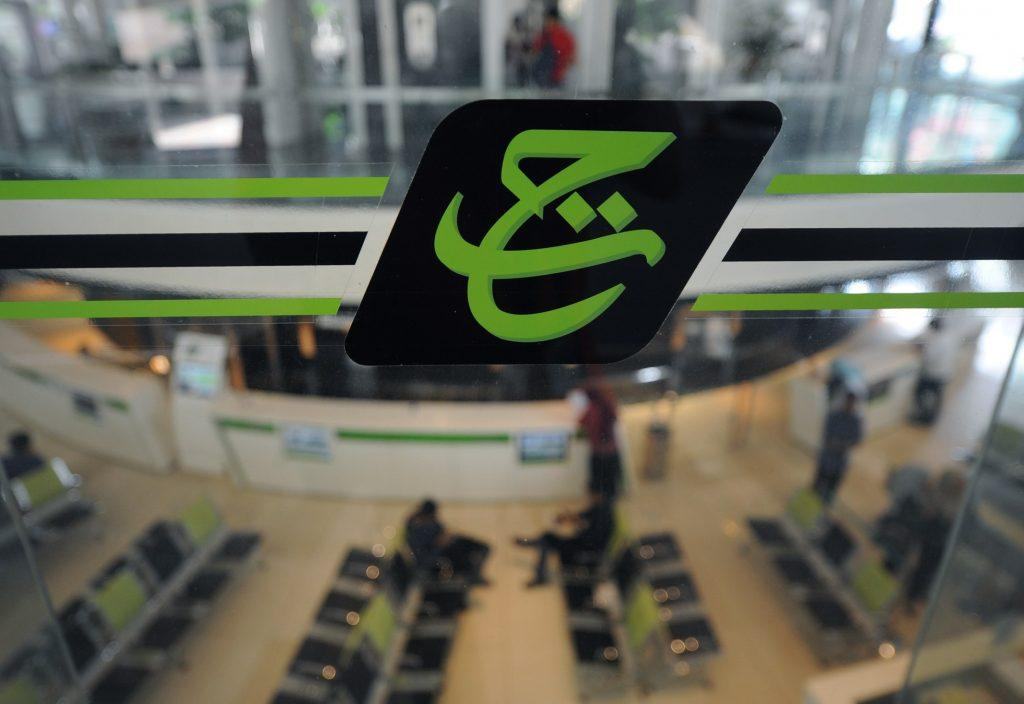
Since 1963, the performance of Hajj in Malaysia has been an experience that begins from infancy. The Malaysian Muslim family often opens a savings account for the newborn at a non-profit institution called "Tabung Haji". A small amount is paid monthly, not exceeding a few dollars, but over time it transforms into full financing for the Hajj trip, and it is invested according to Islamic law to benefit both the depositors and the community.
Today, the fund serves more than 8.7 million depositors, manages assets exceeding $56 billion, and monopolizes Hajj services completely: from savings to logistical arrangements, to practical Shari’ah training on models of the Kaaba and throwing stones, to providing accommodations and meals for pilgrims in Mecca and Medina.
This model is not just a financial institution but an institutional expression of the concept of facilitation, and a real application of Shari'ah objectives to make the performance of the obligation accessible without burdening individuals.
The Experience of "The Fifth Corner": Starting with the Right Question
In the meeting I attended in Riyadh, Mr. Borahma narrated the challenge faced by millions of Muslims: "Hajj expenses in some countries can be three times the income of an individual for three years, and countries with a majority Muslim population with low income send only a small percentage of their citizens."
The Fifth Corner Company came to propose realistic Asian-style solutions: monthly savings starting from an early age, diverse distribution channels, budget hotels, and integrated services including visas, accommodation, and food.
But most importantly: the company adopted a non-traditional vision, which involves financing the Hajj for the poor from Zakat and charity revenues through partnerships with donor institutions, alongside an initiative to assist Pakistani pilgrims under the "Corner of Thanks".
What Can We Learn from the Malaysian Experience?
From an institutional perspective, what distinguishes the Malaysian model is an integrated trilogy:
- Soft Compulsion: A Malaysian Muslim can only perform Hajj through "Tabung Haji", which means service unification, ease of oversight, and reduced costs through economies of scale.
- Transforming Worship into an Economic Cycle: Hajj funds are no longer frozen in "house savings", but have become an investment tool in agriculture, tourism, and construction, achieving social, religious, and economic returns simultaneously.
- A Governmental-Community Model: "Tabung Haji" directly follows the Prime Minister's office, but is held accountable in parliament and operates with the spirit of the third sector. This "hybrid structure" is rare in Islamic experiences.
Challenges: Can We Replicate the Experience?
Here lies the crux of the matter.
In the meeting, I felt that there is a gap between the theoretical model proposed by The Fifth Corner Company and the possible system in the Saudi context. The financial system in Saudi Arabia – despite its development – still remains cautious about combining endowments, investment, and savings under one umbrella.
Furthermore, the absence of a unified law for endowment and savings funds, and the difficulty of merging the objectives of the nonprofit sector with the corporate environment, hinders the launch of a project the size of "Tabung Haji".
Most importantly: long-term financing in Saudi Arabia is still limited in front of projects that require structural patience, such as investing in endowment properties or Islamic sovereign bonds.
Mecca is Capable of Innovation… Not Repetition
We do not need a Saudi version of "Tabung Haji". Rather, we need a Saudi version of the need that the fund has created.
When endowment and financial institutions in the Kingdom adopt the jurisprudence of proactivity instead of the jurisprudence of response, Mecca will not only be the place of revelation but will also become an inspiring economic platform for the Islamic world in managing rituals, financing acts of worship, and linking faith with development.
The experience of "The Fifth Corner" heralds that. But it needs a regulatory umbrella, financial incentives, and a cultural shift that makes "Hajj" a journey that begins from the cradle.. and is managed with reason.
You can watch the full meeting on the Future Investment Channel:

Comments (4)
No comments yet. Be the first to comment!