
This material is adapted from tweets by Anas Abu Nida
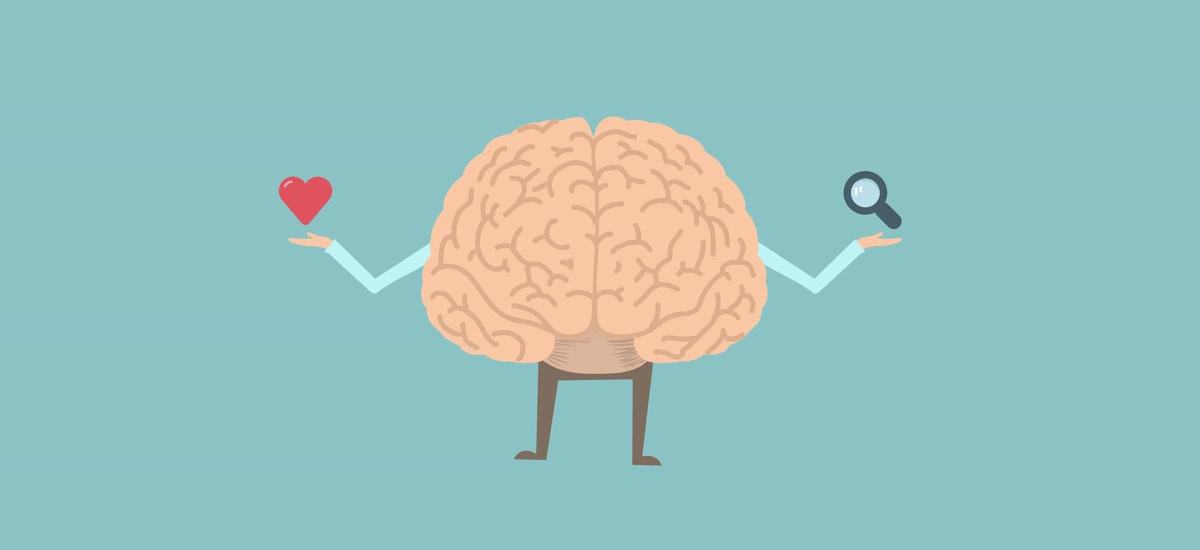
Neuromarketing is considered one of the latest and most dangerous fields of marketing! Some describe it as brainwashing and a way to control it! It influences decisions using magnetic resonance imaging! And other methods to measure various reactions when seeing an image, a color, a sound, or even a smell!
Neuromarketing uses facial expression analysis, eye movement tracking, voice analysis, lie detector testing, and electroencephalography, and the results of those analyses are used to determine what we should present to the donor so that they make a donation decision! Or any other decisions that benefit the organization.
Undoubtedly, there are elements that conflict with the ethics of the marketing profession in this type, as it leads the donor to act in favor of the organization without full conscious awareness, and their decisions may be far removed from their conviction and benefit as a donor.
For example: using images of women and children in difficult humanitarian situations is a type of neuromarketing that dominates the donor's mind, and may lead them to donate without any logical conviction. Similarly, the fragmentation of shares and contributions in large projects makes the donor overcome the fear of contributing a large amount. When they are offered a contribution with a small donation in a huge project, it satisfies their need to give.
Another area of neuromarketing is the use of scent, which may be somewhat rare in the non-profit sector and charities, but is widely used in commercial fields, such as the smell of coffee in coffee shops, and perfumes and incense in high-end stores, making selling high-cost goods easier, as it creates a sense of comfort and numbs thinking.
This type of marketing (neuromarketing) requires practice and experience to study the reactions of donors to everything their eyes fall upon, or touches their noses, or they hear with their ears. If strong white light causes a feeling of tension and urgency, which may make the donor flee and leave quickly, then choosing the appropriate lighting, temperature, and scent is marketing intelligence!
Finally, the marketer is the one who determines how to use neuromarketing in an ethical and sophisticated manner that does not negatively impact their audience, without deceiving them, while achieving real benefits for both parties.

Comments (3)
No comments yet. Be the first to comment!